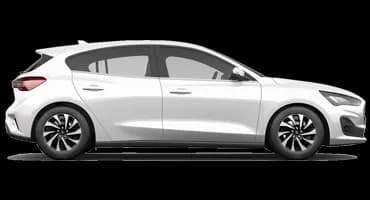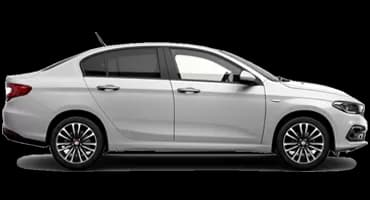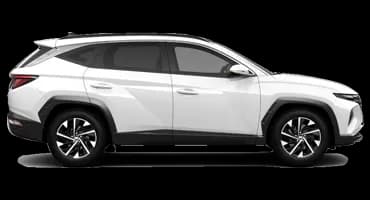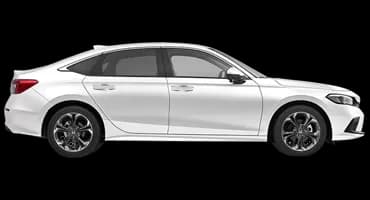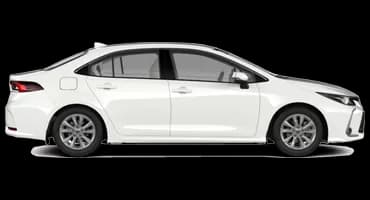
Best for: Ekonomik hibrit
Toyota hybrid technology meets petrol. 4-5 L/100km consumption in the city.
PROS
- +Çok ekonomik
- +Güvenilir
- +Hibrit teknolojisi
CONS
- -High price
- -Konservatif tasarım
- -CVT şanzıman
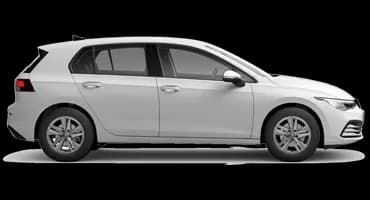
Turkey'de satışa sunulan best petrol vehicles
Petrol cars remain the most popular choice with their wide model range and affordable purchase prices. Modern turbocharged engines deliver high performance with low consumption.
VW Golf leads the segment with its TSI engines. Toyota Corolla stands out with its reliability, while BMW 3 Series is the top choice for driving pleasure.
New-generation petrol engines are now much more efficient thanks to turbo and direct injection technology. City consumption figures of 5-7 litres are now standard.

Best for: Ekonomik hibrit
Toyota hybrid technology meets petrol. 4-5 L/100km consumption in the city.
PROS
CONS

Best for: Verimli turbo
VW TSI engines strike the perfect balance of power and efficiency. Premium quality.
PROS
CONS

Best for: Sportif sürüş
Ford EcoBoost engines deliver high power from small displacement. Sporty driving character.
PROS
CONS

Best for: LPG uyumlu
Turkey's best seller. Economical petrol engine suitable for LPG conversion.
PROS
CONS

Best for: Aile SUV
Modern design, rich equipment and 7-year warranty for a reassuring SUV.
PROS
CONS

Best for: Güvenilirlik
Honda VTEC engine delivers power and reliability. Sporty character at high revs.
PROS
CONS

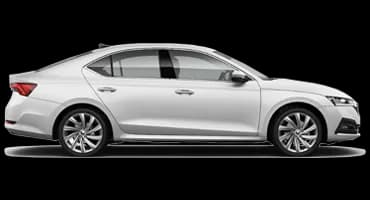
Best for: Geniş bagaj
VW TSI engine with Skoda practicality. Largest boot capacity in its class.
PROS
CONS

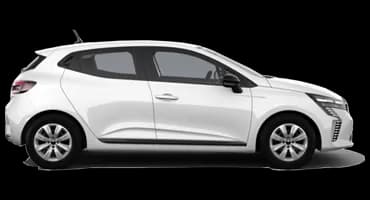
Best for: Şehir içi
Stylish design and turbo petrol engine. Ideal for city driving.
PROS
CONS

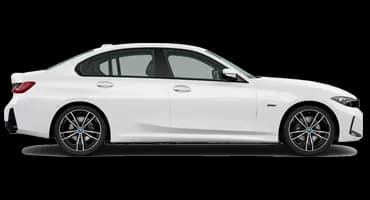
Best for: Driving pleasure
BMW petrol engines deliver driving pleasure. Premium segment leader.
PROS
CONS

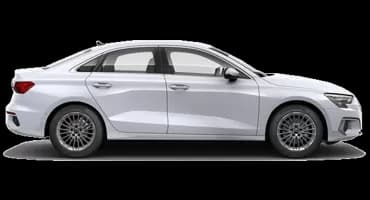
Best for: Kompakt premium
Audi TFSI engines in the compact premium segment. quattro option available.
PROS
CONS
Naturally aspirated is more reliable. Turbo delivers high power from small displacement but is more sensitive.
Most petrol cars can be converted to LPG. Fuel cost drops 40-50%.
48V systems reduce consumption by 5-10%. No charging required.