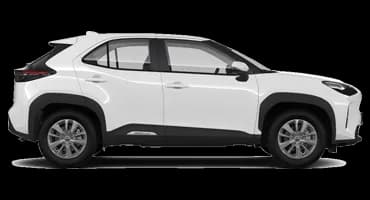
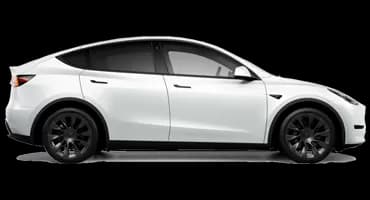
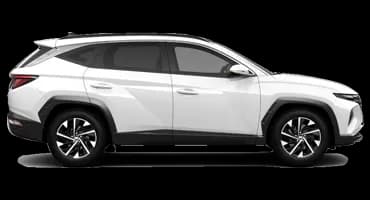
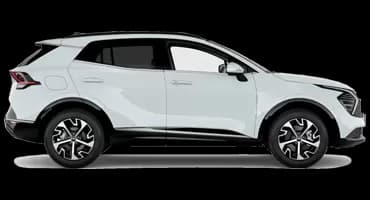
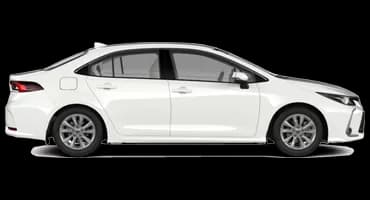
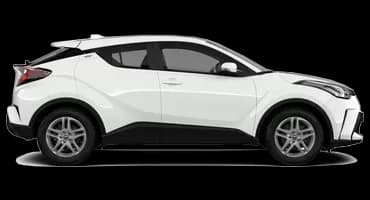
Best for: Low consumption
The most economical SUV in the segment. 4.5 lt/100km and AWD option.
PROS
- +4.5 L/100km consumption
- +Compact size
- +AWD option
CONS
- -narrow interior
- -small trunk
- -limited performance
Low-consumption hybrid and electric SUV models
Economical SUVs prove that high riding position and practicality don't have to come with high fuel bills. Efficient engines and lightweight construction keep running costs low.
Dacia Duster is the value king. Renault Captur offers stylish economy, while Opel Mokka provides German engineering at a reasonable price.
Economical SUVs achieve 5-7 litres per 100 km, rivalling many sedans and hatchbacks while offering the elevated driving position that buyers love.

Best for: Low consumption
The most economical SUV in the segment. 4.5 lt/100km and AWD option.
PROS
CONS

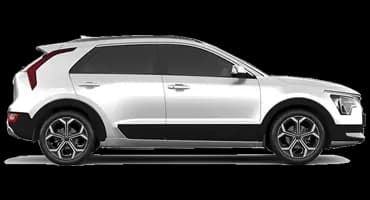
Best for: Style + Economy
Eye-catching hybrid crossover with bold design and 5 L/100km consumption.
PROS
CONS

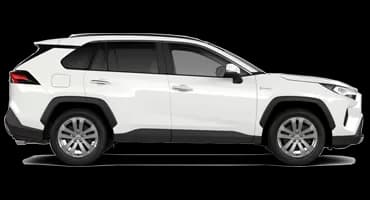
Best for: Efficiency
Crossover designed for hybrid. 4.8 L/100km consumption.
PROS
CONS

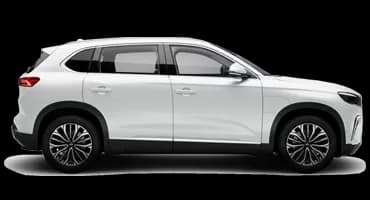
Best for: Spacious economical
Spacious hybrid SUV. 5.5 L/100km consumption and AWD.
PROS
CONS

Best for: Zero fuel
Electric SUV economy. 0.50 TL per km cost.
PROS
CONS

Best for: Efficient EV
One of the most efficient electric SUVs, with 15 kWh/100 km consumption.
PROS
CONS

Best for: Style + Savings
Economical SUV with modern design and 6 L/100km consumption.
PROS
CONS

Best for: Assurance + Economy
Next-generation design and hybrid economy. 6.2 L/100km consumption.
PROS
CONS

Best for: Electric value
Skoda's practicality in electric SUV form. 540 km range.
PROS
CONS

Best for: Honda economy
Economical large SUV with Honda e:HEV hybrid system. 5.8 L/100km.
PROS
CONS
The most economical SUVs offer 4-6 L/100 km consumption. Hybrid technology provides a major advantage in city driving.
Full hybrid SUVs can save up to 40% in city driving and deliver low consumption without charging.
Electric SUVs cost 0.50-1.00 TL per km. One-tenth of petrol.