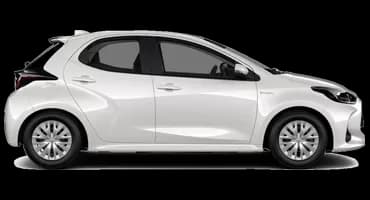
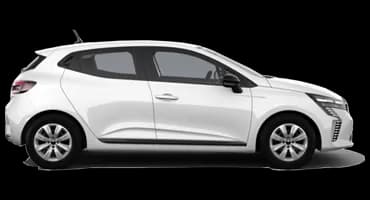
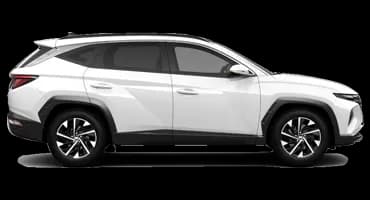
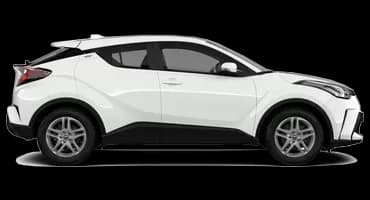
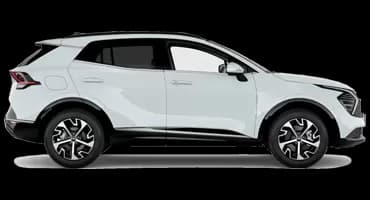
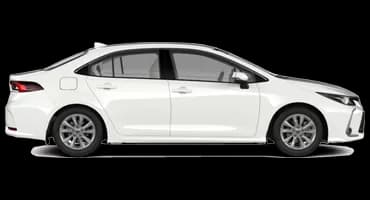
Best for: City use
City consumption record-holder. 3.8 L/100km and Toyota reliability.
PROS
- +3.8 L/100km
- +Toyota reliability
- +10 yıl batarya warranty
CONS
- -small interior
- -limited performance
- -Dar arka koltuk
charging gerektirmeyen (self-charging) hybrid models
Full hybrid cars can drive on electric power alone at low speeds. The battery charges automatically through regenerative braking — no plug required. They offer the simplest transition to electrified driving.
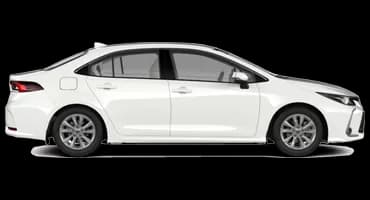
Toyota Corolla is the full hybrid pioneer. Toyota Yaris Hybrid achieves the lowest consumption in its class, while Lexus UX offers premium full hybrid refinement.
Full hybrids achieve up to 50% electric driving in the city, with combined consumption figures of 4-5 litres per 100 km. No charging station needed — just drive.

Best for: City use
City consumption record-holder. 3.8 L/100km and Toyota reliability.
PROS
CONS

Best for: Reliability
World's best-selling car in hybrid form. 4.5 L/100km.
PROS
CONS

Best for: Practicality
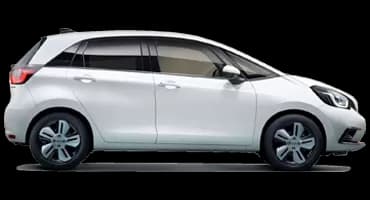
Honda e:HEV and legendary Magic Seats. 4.5 L/100km consumption.
PROS
CONS

Best for: Family SUV
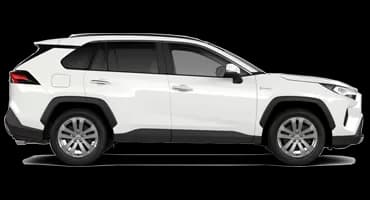
Full hybrid SUV\'un most pops. 5.5 lt/100km and AWD.
PROS
CONS

Best for: Technology
E-TECH full hybrid inspired by F1 technology. 4.3 L/100km.
PROS
CONS

Best for: Style
Cesur design and full hybrid economy. 6 lt/100km.
PROS
CONS

Best for: Style
Bold coupe-crossover design and full hybrid. 5 L/100km.
PROS
CONS

Best for: Assurance
Next-generation design and 7-year warranty. 6.2 L/100km.
PROS
CONS

Best for: Driving character
Honda e:HEV hybrid system spacious SUV\'da. 5.8 lt/100km.
PROS
CONS

Best for: Family
Full hybrid crossover on the Corolla platform. 5 L/100km.
PROS
CONS
Full hybrid cars do not require external charging. The battery charges through braking energy and engine power.
Most efficient in city stop-start traffic. Up to 80% electric mode usage.
Regenerative braking system protects brake pads. Battery warranties are 8-10 years.