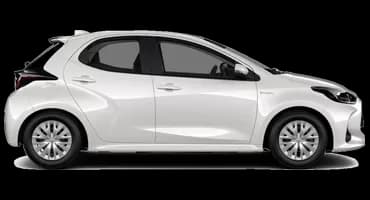
Best for: City use
City hybrid champion. 3.8 L/100km consumption.
PROS
- +3.8 L/100km
- +Toyota reliability
- +Kompakt boyut
CONS
- -small interior
- -limited performance
- -Dar arka koltuk
with affordab with affordab hybrid with vehic models
Affordable hybrid cars make fuel-efficient technology accessible to budget-conscious buyers. With falling prices, hybrid powertrains are now available in the most competitive segments.
Toyota Yaris Hybrid offers the lowest consumption. Renault Clio E-Tech provides affordable hybrid driving, while Toyota Corolla Hybrid delivers excellent long-term value.
When fuel savings are factored in, affordable hybrids can cost less to own than equivalent petrol cars over 5 years, making them the smart financial choice.

Best for: City use
City hybrid champion. 3.8 L/100km consumption.
PROS
CONS

Best for: Technology
E-TECH hybrid system inspired by F1 technology. 4.3 L/100km.
PROS
CONS

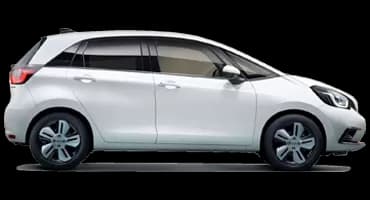
Best for: Practicality
Honda e:HEV hybrid and legendary Magic Seats. 4.5 L/100km.
PROS
CONS

Best for: Family economy
Hybrid crossover on the Corolla platform. 5 L/100km consumption.
PROS
CONS

Best for: Reliability
World's best-selling car in hybrid form. 4.5 L/100km.
PROS
CONS

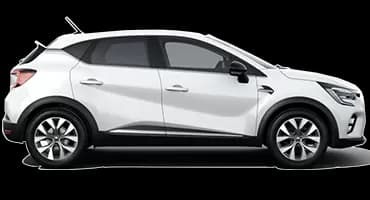
Best for: Crossover
E-TECH hybrid system in crossover body. 5 L/100km.
PROS
CONS

Best for: Efficiency
Crossover designed for hybrid. 4.8 L/100km.
PROS
CONS

Best for: Design
Cesur design and hybrid economy. 5 lt/100km.
PROS
CONS

Best for: Comfort
Renault\'nun premium hybrid SUV\'u. E-TECH technology.
PROS
CONS

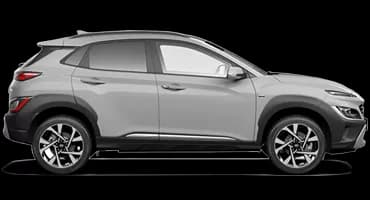
Best for: City use
Compact hybrid crossover. 5.2 L/100km consumption.
PROS
CONS
Cheap hybrid cars are sold at prices close to their petrol equivalents. Long-term fuel savings.
Full hybrid vehicles provide 30-40% fuel savings in the city.
Regenerative braking system wears brake pads less. Maintenance costs are low.