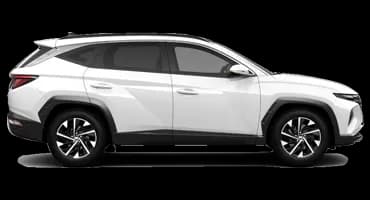
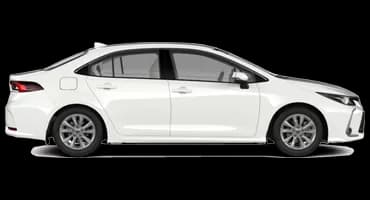
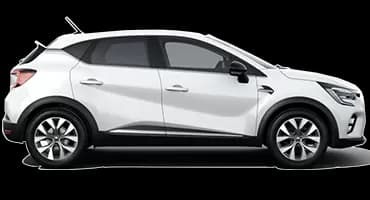
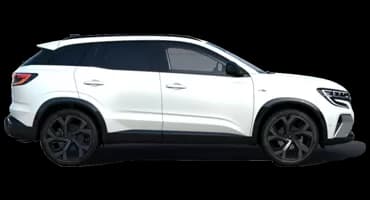
Best for: Fuel economy
The SUV segment's most popular hybrid. 5.5 L/100km consumption and AWD.
PROS
- +5.5 L/100km consumption
- +AWD option
- +10 yıl batarya warranty
CONS
- -high price
- -CVT şanzıman
- -Sert plastikler
low consumptionli hybrid SUV models
Hybrid SUVs combine the commanding driving position and versatility of an SUV with the fuel savings of hybrid technology. They are the fastest-growing segment in the hybrid market.
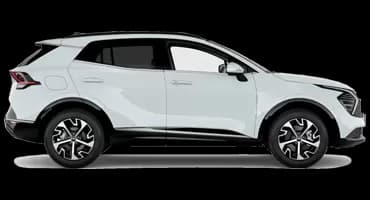
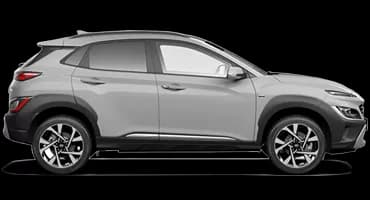
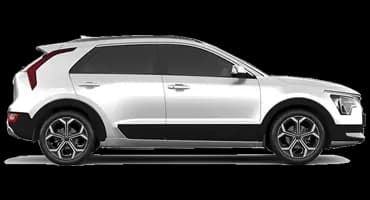
Hyundai Tucson Hybrid leads in features and value. Toyota RAV4 Hybrid offers proven reliability, while Kia Sportage Hybrid stands out with its bold design.
Hybrid SUVs achieve 5-7 litres per 100 km in combined driving — up to 30% better than their conventional counterparts.

Best for: Fuel economy
The SUV segment's most popular hybrid. 5.5 L/100km consumption and AWD.
PROS
CONS

Best for: Technology
Cesur design and hybrid economy. 6 lt/100km consumption.
PROS
CONS

Best for: Assurance
Next-generation design and 7-year warranty. 6.2 L/100km consumption.
PROS
CONS

Best for: Style
Cesur design and Toyota hybrid reliability. 5 lt/100km.
PROS
CONS

Best for: City use
Compact hybrid crossover. 5.2 L/100km consumption and modern design.
PROS
CONS

Best for: Efficiency
Crossover designed for hybrid. 4.8 L/100km consumption.
PROS
CONS

Best for: Driving character
Honda e:HEV hybrid system. 5.8 L/100km consumption.
PROS
CONS

Best for: Family crossover
Hybrid crossover on the Corolla platform. 5 L/100km consumption.
PROS
CONS

Best for: Crossover
E-TECH hybrid system in crossover body. 5 L/100km.
PROS
CONS

Best for: Comfort
Renault\'nun premium hybrid SUV\'u. E-TECH technology.
PROS
CONS
hybrid SUV\'ler city forde 5-7 lt/100km consumption offers. petrol SUV\'lere compared to %30 tasarruf.
Full hybrid does not require charging. Plug-in hybrid requires charging for 50-80 km electric range.
Most hybrid SUVs offer AWD option. The electric rear motor provides additional traction.